
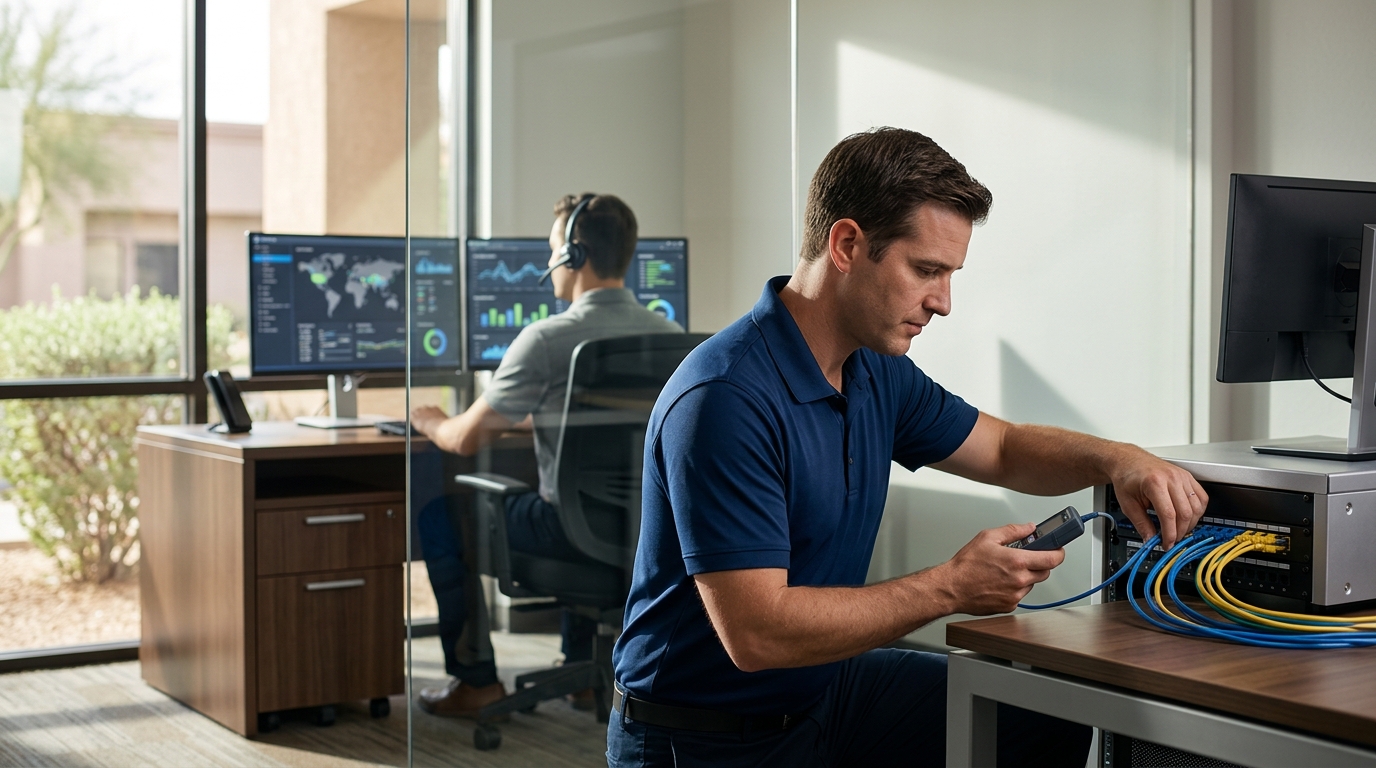
Businesses today require immediate technical intervention to maintain operational continuity. According to industry data, organizations that implement hybrid support frameworks experience a forty percent reduction in average downtime compared to single-model deployments. This statistic highlights why modern enterprises must evaluate both remote and on-site methodologies before committing to a single vendor. The decision directly impacts your budget, security posture, and employee productivity. You must align your support model with your specific infrastructure complexity and risk tolerance.
Understanding Remote Support
Remote support is a delivery model where technicians access your network infrastructure through secure encrypted tunnels. This approach eliminates physical travel time and allows engineers to resolve software conflicts, patch vulnerabilities, and optimize system configurations instantly. Organizations benefit from rapid response times and predictable monthly billing structures. The primary limitation involves hardware failures that require physical component replacement. You must verify that your critical servers have redundant power supplies and failover mechanisms to bridge temporary gaps. Many modern enterprises rely on this model for routine maintenance and user workstation troubleshooting. Cybersecurity protocols now mandate strict endpoint encryption to protect remote sessions from interception. Your IT partner must utilize zero-trust architecture to validate every connection attempt. This methodology scales efficiently as your organization expands across multiple geographic locations. You gain immediate access to specialized engineers without waiting for regional dispatch schedules. (Why Choose US All)
Evaluating On-Site Services
On-site support is a physical intervention model where certified technicians visit your facility to diagnose and repair hardware infrastructure. This approach remains essential for complex network cabling, server rack migrations, and physical security device installations. Businesses require hands-on expertise when dealing with legacy equipment or specialized manufacturing hardware. The primary advantage involves direct physical inspection of environmental factors like cooling systems and power distribution units. You eliminate remote connectivity blind spots that sometimes mask underlying hardware degradation. Organizations with strict data sovereignty regulations often mandate physical presence for audit compliance. Federal compliance standards frequently require documented physical access logs for sensitive data centers. Your facility must maintain proper physical security protocols to protect visiting engineers. This model typically incurs higher per-hour costs due to travel time and equipment transport. You gain immediate resolution for catastrophic hardware failures that remote diagnostics cannot address. Strategic scheduling ensures minimal disruption to your daily operations. (Business Technology Services In)
Hybrid Architecture Benefits
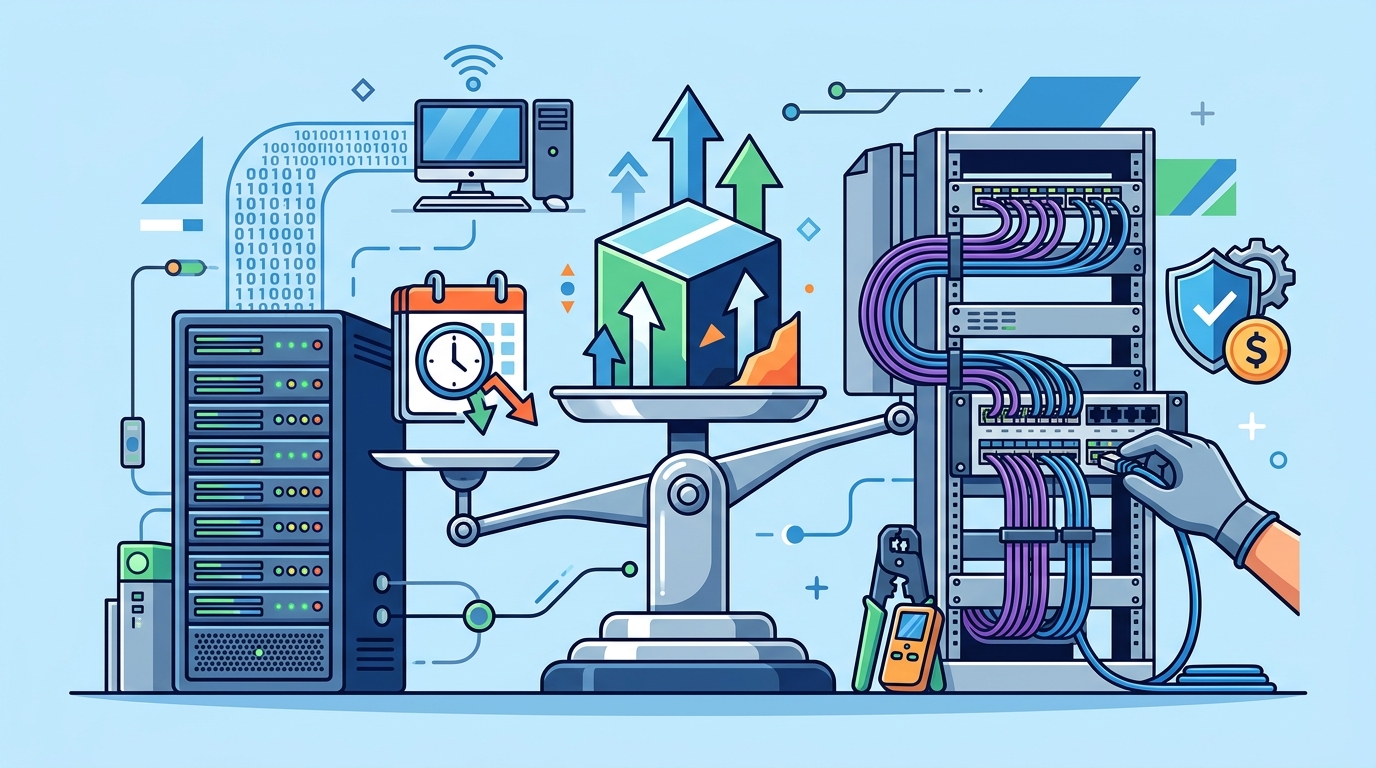
A hybrid support architecture combines remote diagnostics with scheduled on-site maintenance windows to maximize operational efficiency. This dual-layer approach reduces emergency dispatch costs while maintaining rapid response capabilities for critical failures. Organizations implement this model to balance budget constraints with comprehensive infrastructure coverage. You gain the flexibility to prioritize software updates remotely while reserving physical visits for quarterly hardware inspections. Your IT provider can deploy remote monitoring agents to track server health metrics continuously. When thresholds are breached, automated alerts trigger immediate technician dispatch. This methodology aligns perfectly with modern cloud migration strategies and distributed workforce models. Network segmentation strategies require precise physical configuration during initial deployment phases. Your team must document all physical port mappings to maintain accurate network diagrams. Hybrid models typically reduce annual support expenditures by twenty-five percent compared to standalone on-site contracts. You maintain full visibility into your technology stack without sacrificing rapid troubleshooting capabilities. This approach future-proofs your infrastructure against evolving threat landscapes. (Technology Services All your)
Comparing Cost Structures
Remote support typically operates on a subscription basis with predictable monthly invoices covering unlimited software troubleshooting. On-site services often utilize time-and-materials billing that scales with travel distance and hardware replacement costs. Organizations must calculate total cost of ownership rather than focusing solely on hourly rates. Your financial planning should account for emergency dispatch premiums and after-hours service multipliers. Budget forecasting improves significantly when you establish clear escalation paths for different failure types. Strategic technology trends indicate that hybrid billing models dominate enterprise procurement decisions. You gain financial predictability while retaining access to specialized hardware expertise. Transparent pricing structures prevent unexpected budget overruns during critical system outages. Your finance team can allocate resources more effectively when support costs remain consistent. Long-term contracts often include volume discounts for multi-location deployments. This financial clarity enables better capital expenditure planning for technology upgrades.
Security Compliance Requirements
Modern regulatory frameworks demand rigorous access controls regardless of your chosen support delivery model. Remote sessions require multi-factor authentication and encrypted communication channels to prevent data exfiltration. On-site technicians must undergo background checks and sign non-disclosure agreements before accessing sensitive environments. Your compliance officer must verify that all support activities align with industry-specific data protection mandates. Audit trails must document every system interaction to satisfy regulatory review boards. Organizations handling protected health information require additional safeguards for remote diagnostic tools. Identity management frameworks now enforce continuous verification to prevent unauthorized access attempts. Your IT partner must maintain certified security personnel to handle sensitive infrastructure. Regular penetration testing validates the effectiveness of your remote access controls. Physical security cameras often monitor technician movements during on-site visits. This dual-layer verification process ensures complete regulatory compliance across all support channels.
Vendor Selection Criteria
Choosing the right technology partner requires evaluating response times, technical certifications, and geographic coverage areas. Your organization should request detailed service level agreements that specify maximum resolution times for different priority levels. Verify that your potential provider maintains active partnerships with major hardware manufacturers. This partnership status often grants priority access to replacement components during critical failures. Review their employee retention rates to ensure consistent technical expertise across your account. High turnover rates frequently correlate with inconsistent support quality and prolonged resolution times. Risk management guidelines emphasize the importance of vendor financial stability during extended outages. Your procurement team should conduct reference checks with current clients in similar industries. Request transparent pricing schedules that clearly delineate remote versus on-site service rates. Verify that your provider offers comprehensive backup and disaster recovery solutions. This holistic approach ensures uninterrupted operations during catastrophic infrastructure failures.
| Support Model | Response Time | Cost Structure | Best Use Case | Limitations |
|---|---|---|---|---|
| Remote Support | 15 to 30 minutes | Monthly subscription | Software troubleshooting | Hardware replacement |
| On-Site Services | 2 to 4 hours | Time and materials | Physical infrastructure | Higher per-hour costs |
| Hybrid Architecture | Variable scheduling | Blended billing | Enterprise operations | Complex contract terms |
| Emergency Dispatch | Immediate priority | Premium rates | Critical outages | Unpredictable budgeting |
Key Takeaways
- Hybrid support frameworks reduce average downtime by forty percent compared to single-model deployments.
- Remote troubleshooting eliminates physical travel time while maintaining rapid software resolution capabilities.
- On-site interventions remain essential for physical hardware failures and environmental system inspections.
- Organizations save approximately twenty-five percent annually by implementing balanced hybrid billing structures.
- Modern compliance mandates require documented physical access logs alongside encrypted remote sessions.
- Vendor financial stability directly impacts your organization during extended infrastructure outages.
- Multi-location enterprises benefit most from centralized remote monitoring paired with regional dispatch teams.
Frequently Asked Questions
Can remote technicians replace physical hardware components?
Remote engineers cannot physically install replacement parts or reseat damaged connectors. You must schedule an on-site dispatch when hardware failure is confirmed through diagnostic logs. Your support provider will typically ship replacement components to your facility in advance. This preparation minimizes downtime while maintaining strict security protocols. Remote sessions remain highly effective for software conflicts and configuration adjustments.
How do I verify that remote sessions are secure?
All legitimate remote connections utilize encrypted tunnels that prevent unauthorized interception. Your IT partner must enforce multi-factor authentication before granting system access. You should verify that their software complies with current industry security standards. Regular security audits ensure that remote access protocols remain current. Your organization retains full control to revoke remote permissions at any time.
What happens during a catastrophic server failure?
Catastrophic hardware failures require immediate physical intervention to prevent data loss. Your support team will dispatch certified technicians to your facility within the agreed timeframe. Replacement components are typically pre-staged to accelerate the recovery process. Remote engineers continue monitoring network traffic to isolate affected segments. This coordinated approach minimizes operational disruption across your entire organization.
Is hybrid support suitable for small businesses?
Small enterprises benefit significantly from hybrid models that balance cost efficiency with comprehensive coverage. You gain predictable monthly expenses while retaining access to specialized hardware expertise. Remote monitoring prevents minor issues from escalating into costly emergency situations. Scheduled on-site visits ensure physical infrastructure remains properly maintained. This approach scales seamlessly as your organization expands its operational footprint.
How are after-hours support requests handled?
Emergency dispatch services operate around the clock to address critical infrastructure failures. Your support provider will prioritize severe outages that impact core business operations. Remote engineers attempt initial troubleshooting before dispatching physical technicians. This tiered approach optimizes resource allocation while maintaining rapid response capabilities. You receive transparent billing that clearly outlines after-hour service premiums.
What documentation should I expect from my IT provider?
Comprehensive support contracts include detailed service level agreements and escalation procedures. Your provider must document all system interactions to satisfy regulatory compliance requirements. Regular performance reports highlight resolution times and recurring infrastructure issues. You gain complete visibility into your technology stack through standardized reporting dashboards. This transparency enables informed decision-making regarding future technology investments.
Ready to Optimize Your Technology Support?
Your organization deserves a support model that aligns perfectly with your operational requirements and budget constraints. Our experienced technicians evaluate your current infrastructure to design a customized hybrid solution. We combine rapid remote diagnostics with strategic on-site maintenance to maximize efficiency. Contact our team today to schedule a comprehensive technology assessment. Visit our contact portal to discuss your specific requirements. We provide transparent pricing and predictable monthly billing structures. Your technology backbone deserves enterprise-grade support without enterprise-level complexity. Explore our managed services to discover comprehensive coverage options. Schedule your consultation and secure your operational continuity today.